Everything after the return is filed
TaxProc is a free reference from TIN Comply for the people who represent taxpayers before the IRS: authorizations and transcripts, notices, penalties and abatement, exams, Appeals, collection and BBA partnership audits. Not just the rules: the procedures the IRS gives its own examiners, revenue officers and Appeals officers, the dates that actually control, and the letters ready to adapt.
Every page cites its source: the Internal Revenue Manual by section and revision date, the Code, the regulations, current IRS forms and the court decisions that control the procedure. Free, no signup.
Start with your client's situation
Find out which program sent it, which clock it started, and whether the response window can be extended.
Administrative waiver first, then reasonable cause, then the statutory defenses. How the IRS decides each.
From the first contact letter to the 90-day letter: IDRs, statute extensions, the report and your options.
Payment plans, offers, CNC status, and the CDP rights that have to be used before the deadline passes.
What the IRS tells its own employees
The notice tells your client what to do. The Internal Revenue Manual tells the IRS employee what to do with your response: which explanations the penalty unit accepts, what the CAF unit rejects, how a revenue officer computes an offer, when an examiner asks for a statute extension. Every guide below cites the section and revision it comes from.
First Time Abate: how the IRS applies its one-time penalty waiver
The IRS's administrative waiver for a first failure to file, pay or deposit: the lookback test, the returns it never covers, and how the IRS applies it.
Why the CAF unit rejects a Form 2848 or 8821, and how to fix each problem
The five essential elements, the screening rules behind Letter 861C, designation-level traps and a checklist that keeps forms from coming back.
Reasonable collection potential: how the IRS computes an offer amount
Asset equity at quick sale value, future income over 12 or 24 months, dissipated assets and the expense rules that drive the minimum acceptable offer.
Form 872 statute extensions: fixed-date, open-ended and restricted consents, and when to refuse
What the IRS must tell your client when it asks for a consent, the forms and their differences, how restricted consents work, and the consequences of saying no.
The imputed underpayment: how the IRS computes it
The seven-step IU computation from IRM 4.31.9.9.2, with the IRS's own worked example, the netting limits, and what happens to adjustments that do not produce an IU.
CP2000: the Automated Underreporter proposal, the 30-day clock and the road to a notice of deficiency
The IRS matched the return against Forms W-2 and 1099 and proposes a change. Not a bill, but silence leads to a notice of deficiency.
What changed in 2026
Streamlined agreements are now simple payment plans
One $50,000 tier, no 72-month limit, paid by the collection statute date. The Form 9465 instructions have not caught up.
First Time Abate becomes automatic for some returns
The Automatic Exemption from Penalty applies the clean-history test at processing for 2025 Forms 1040, 1065 and 1120 and 2026 employment tax quarters.
The 2027 penalty figures are set
$260 per partner or shareholder per month for late partnership and S corporation returns, and a $535 minimum late filing penalty (Rev. Proc. 2025-32).
Why the manual matters
Most procedural mistakes are timing mistakes: a CDP request filed on day 31, a petition after the 90th day, a protest that never asked for Appeals, a statute extension signed without a restriction. The deadlines are in the Code; how the IRS counts them, what it accepts as a timely response, and what it does when nothing comes back are in the Internal Revenue Manual. TaxProc puts both on the same page. Start with the clocks.
Tools practitioners come back to
The forms, line by line
One page per form a representative files or reviews: what it is for and when another form is right, every line, where to send it, what the IRS does with it once it arrives, and the mistakes that get it rejected.
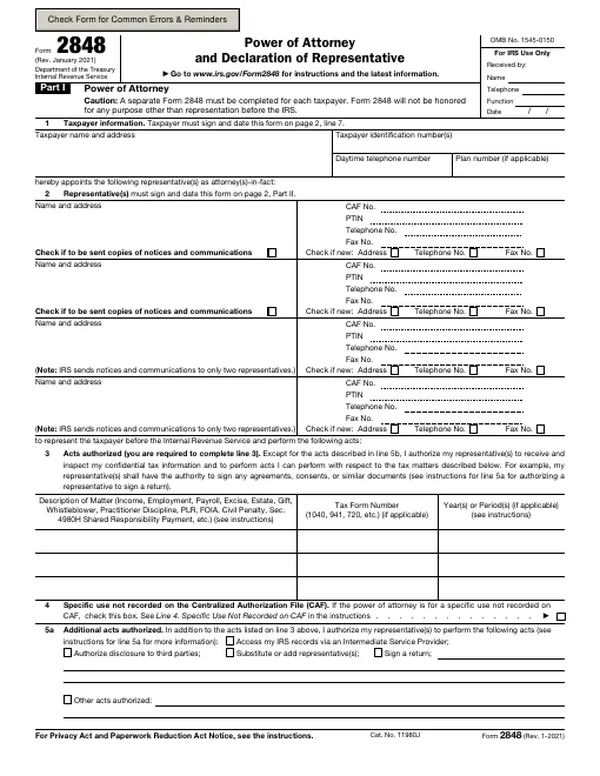 Form 2848
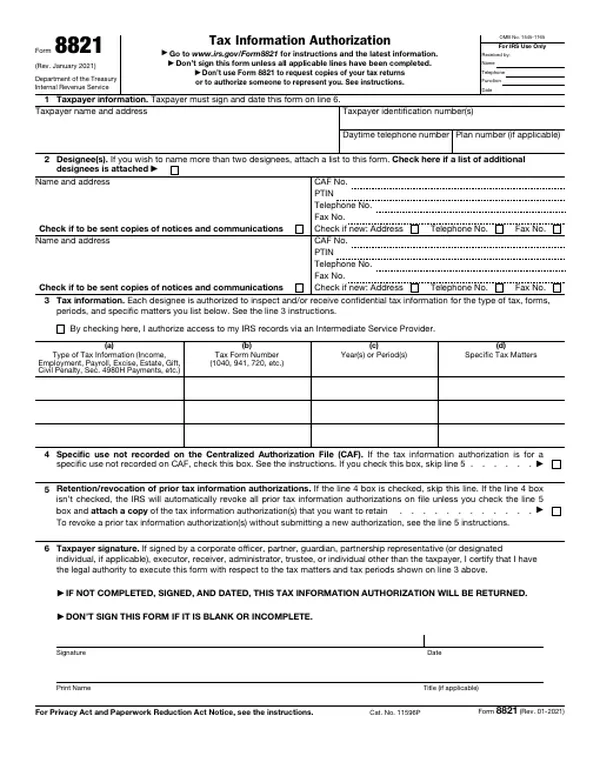 Form 8821
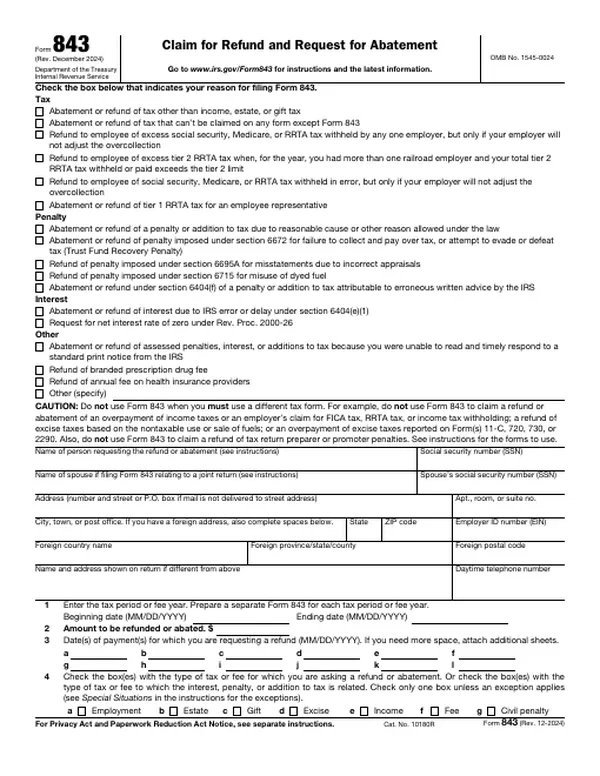 Form 843
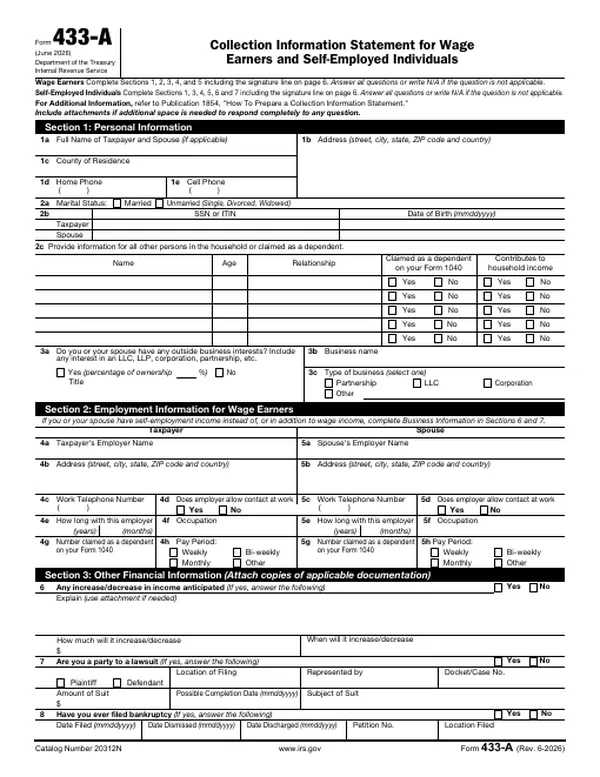 Form 433-A
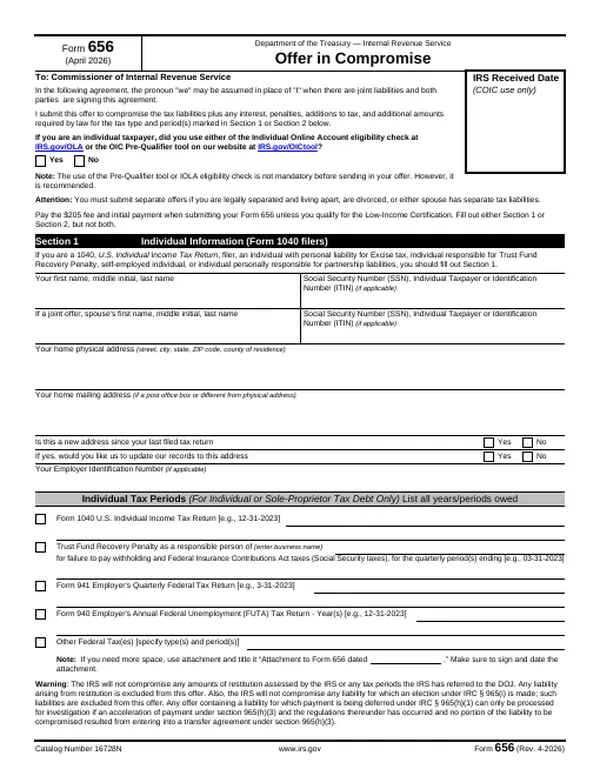 Form 656
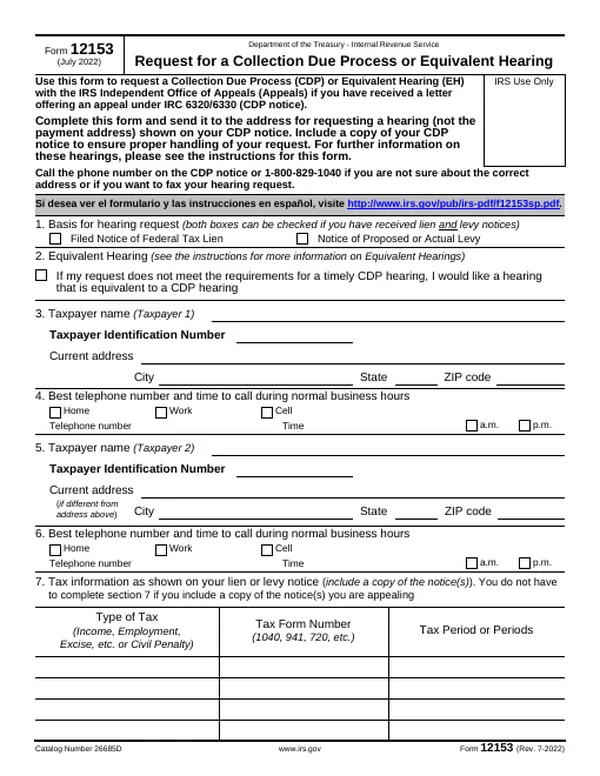 Form 12153
Every section
Eight sections in the order a case meets them, from getting authorized to resolving the balance, plus the partnership audit regime and entity relief.
Representation and access
Forms 2848 and 8821, the CAF, Tax Pro Account, transcripts, Practitioner Priority Service and Circular 230.
IRS notices and letters
What each IRS notice means for your client, the deadline it starts, and the response that works, from the IRS manual.
Penalties and abatement
First Time Abate, reasonable cause, Form 843, and how each civil penalty is computed and removed.
Examinations
How IRS exams run, information document requests, statute extensions, 30-day letters and notices of deficiency.
Appeals and Tax Court
Protests, the Independent Office of Appeals, the Collection Appeals Program, and petitioning the Tax Court.
Collection
Installment agreements, offers in compromise, CNC, liens, levies, CDP hearings, the CSED and the trust fund recovery penalty.
Partnerships and the BBA regime
The centralized partnership audit regime: partnership representatives, imputed underpayments, push-outs and AARs.
Entity elections and relief
Late S corporation and entity classification elections, 9100 relief, inadvertent terminations and EIN changes.
On the payer side
Clients who pay contractors and vendors also get CP2100s, B-Notices, Notice 972CG penalties and backup withholding letters. Those are covered on our sister site, TIN Compliance: Forms 1099 and W-9, TIN matching, backup withholding and information return penalties, written the same way.